
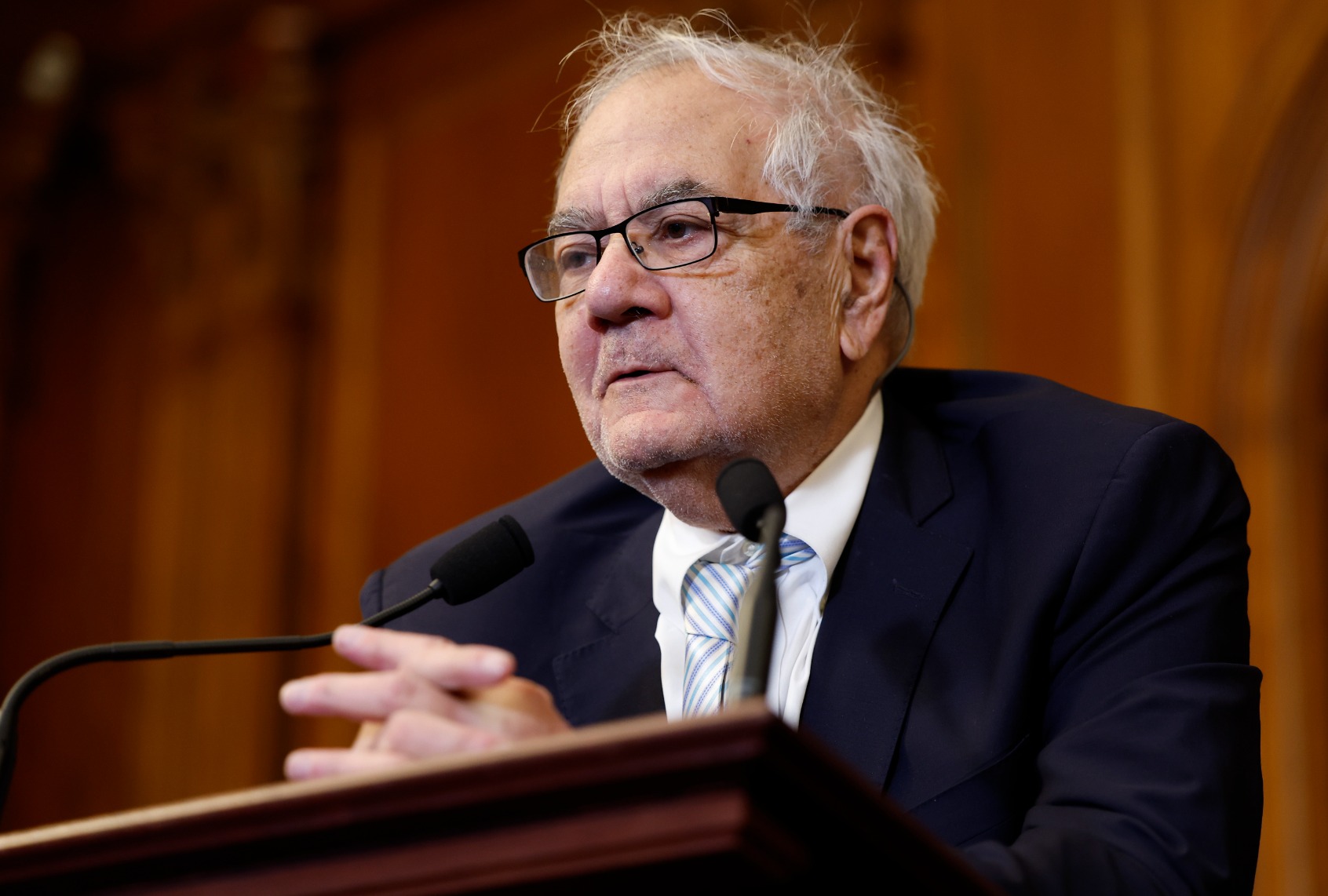
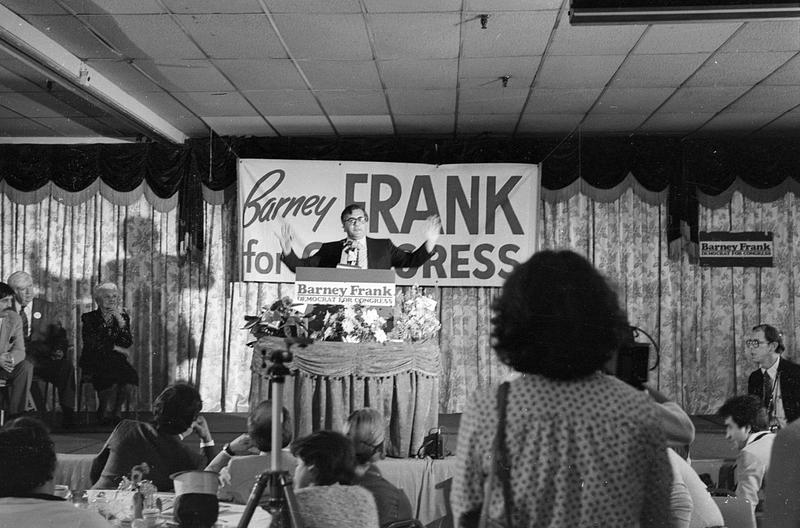
Former U.S. Congressman Barney Frank, one of the most influential openly gay lawmakers in American history and a defining voice for LGBTQ+ equality, has died at the age of 86. Frank entered hospice care last month for congestive heart failure and died peacefully at home in Maine.
Frank, who represented Massachusetts in the U.S. House of Representatives for more than 30 years, was widely recognized for his sharp intellect, legislative skill, and groundbreaking visibility as one of the first members of Congress to voluntarily come out as gay in 1987.
Tributes from congressional leaders
Tributes poured in from lawmakers across the country — including longtime colleagues whose districts reflect the breadth of Frank’s national impact.
Rep. Nancy Pelosi, who represents California’s 11th District (San Francisco), called Frank “a real mentor” whose blend of idealism and pragmatism shaped decades of policy. Pelosi, a historic figure in her own right as the first woman Speaker of the House, worked closely with Frank on financial reform and civil rights legislation.
Rep. Richard Neal, who represents Massachusetts’ 1st District, described Frank as “a trailblazer for gay Americans” and “a good person” whose humor and humanity defined his public service. Neal and Frank served together for more than two decades in the Massachusetts delegation.
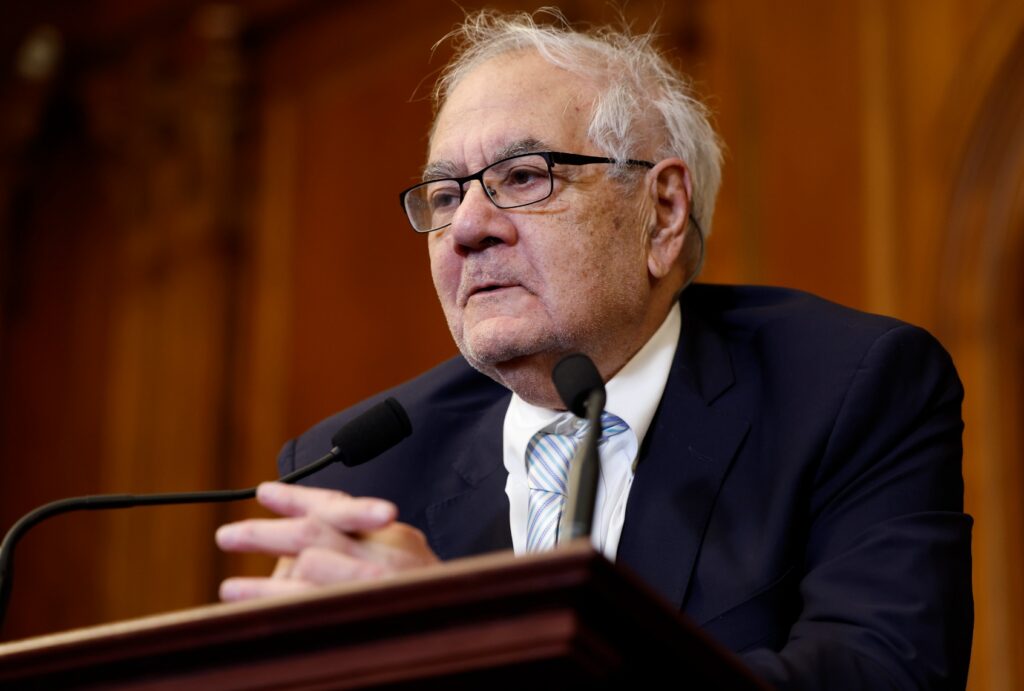
Senator Tammy Baldwin, the first openly gay U.S. senator and a longtime friend, honored Frank’s legacy in a statement, calling him “candid, outspoken, quick‑witted and downright funny,” and praising his decades of work advancing LGBTQ+ rights.
Baldwin said Frank was “a giant whose shoulders the movement for LGBTQ rights stands on,” adding that “our country is a better, more just, more equal place because of him.”
Massachusetts Governor Maura Healey, the nation’s first openly lesbian governor, also remembered Frank as “a giant in public life” who fought tirelessly for civil rights and LGBTQ+ equality.
Massachusetts Democratic Party Chair Steve Kerrigan said Frank “embodied the very best of our Democratic Party” and left “an indelible mark” on public life.
Their statements underscore how Frank’s influence extended far beyond LGBTQ+ politics — shaping national policy, mentoring younger lawmakers, and redefining what it meant to serve openly in Congress.
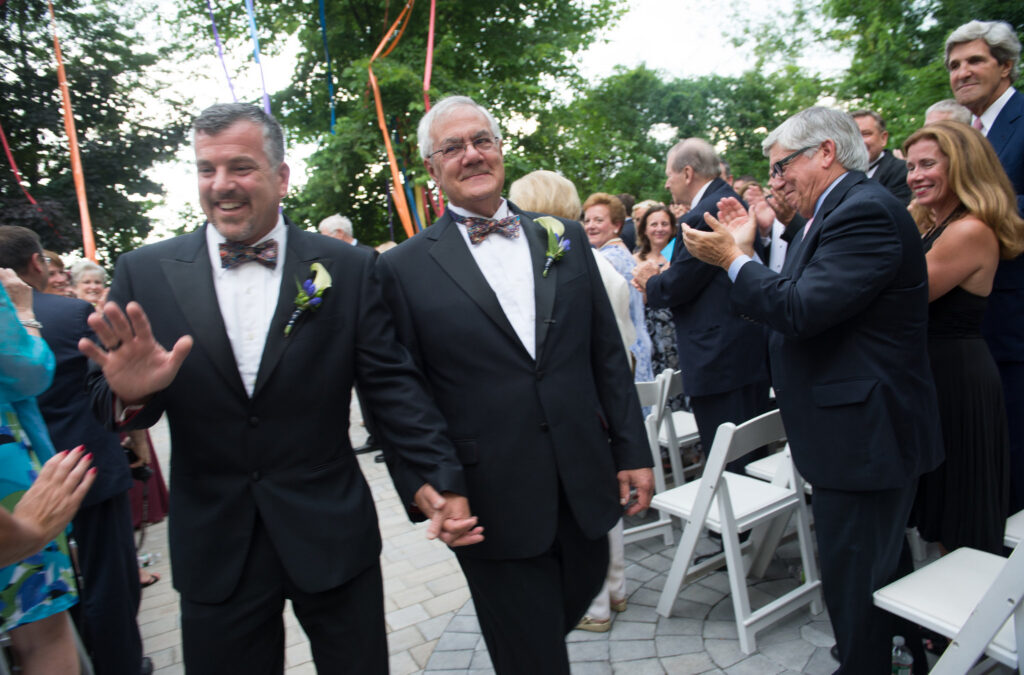
Frank’s coming‑out moment in 1987 was unprecedented — a bold declaration in an era when few public officials dared to live openly. He later became the first sitting member of Congress to marry a same‑sex partner when he wed Jim Ready in 2012. Ready survives him.
Architect of major financial reform
Beyond his LGBTQ+ advocacy, Frank was a central figure in reshaping U.S. financial regulation. As chair of the House Financial Services Committee, he co‑authored the Dodd‑Frank Act, the most sweeping Wall Street reform legislation since the Great Depression.
Colleagues across the political spectrum praised his legislative mastery. Senator Elizabeth Warren noted that Frank was instrumental in creating the Consumer Financial Protection Bureau, calling him “smart‑as‑a‑whip” and “wickedly funny.”
A life shaped by justice and activism
Frank’s political awakening began during the civil rights movement. He volunteered in Mississippi during the 1964 Freedom Summer and later entered politics to fight segregation and injustice.
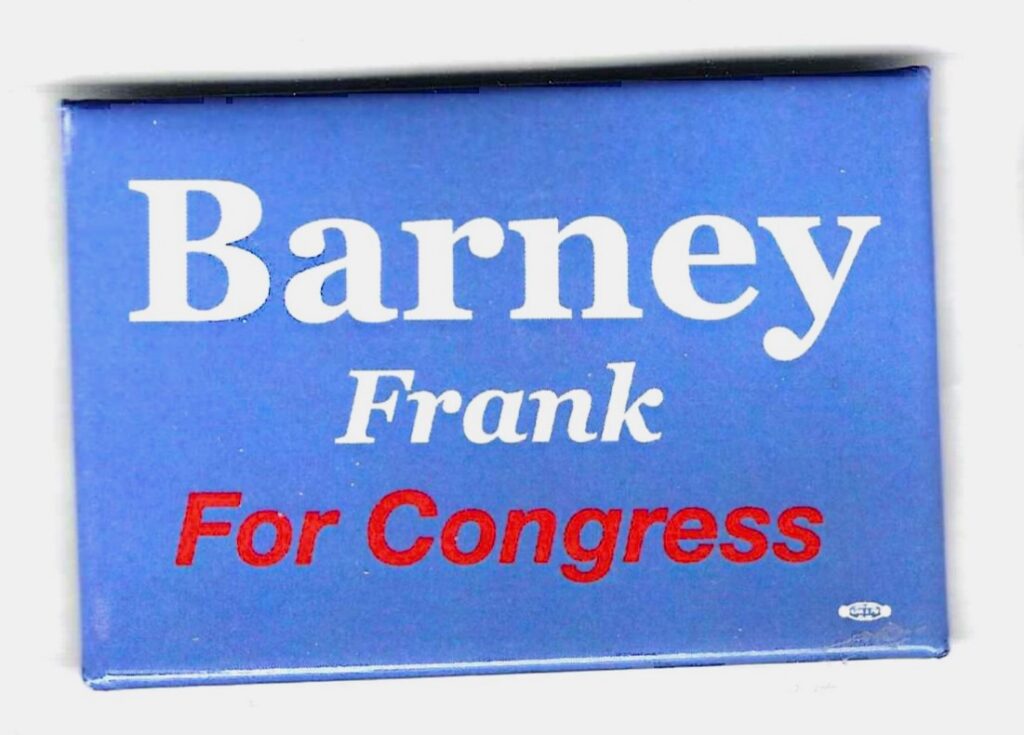
He served in Congress from 1981 to 2013, becoming known for his acerbic wit, progressive values, and willingness to challenge both opponents and allies. Even in hospice, he remained politically engaged, promoting his forthcoming book “The Hard Path to Unity.”